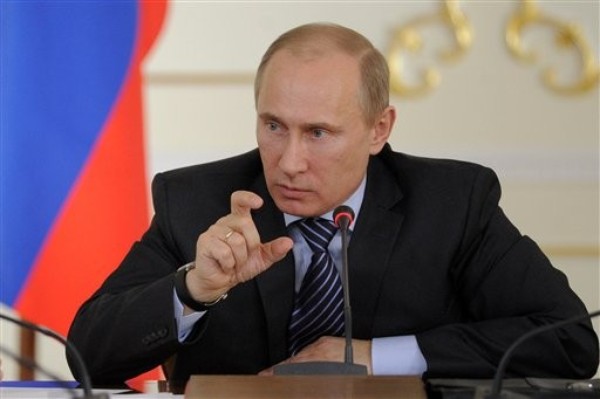
On the surface, at least, Russia's stance on Syria and Iran will probably undergo certain negative changes. Putin is a populist, and he will definitely try to shore up his domestic support by catering to nationalists and others who are angry about the liberal course of Medvedev's foreign policy, implying more-aggressive Russian rhetoric on these issues. Yet such rhetoric is typically aimed at the domestic audience and does not influence the main principle of Russian diplomacy: the readiness to discuss and negotiate. The real degree of Russian cooperativeness in the Middle East will therefore depend on the West's willingness and ability to negotiate the key issues. Appropriate guarantees that preserve Russia's interests in Syria and Iran -- coupled with a nonconfrontational approach to dialogue -- would probably have the most positive influence on Moscow.



Russian Foreign Policy Under Putin
Read Full Article »
Comment
