
May 9, 2012

The Asian Arms Race That Wasn't

M. Taylor Fravel & Vipin Narang, Foreign Policy

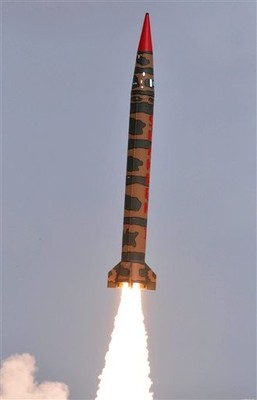
AP Photo

The idea that India can -- or even intends to -- achieve nuclear parity with China with a single test is misguided. Nuclear posture unfolds over years and decades, and India is just now creeping toward having an assured retaliation capability against China. Even when the Agni V is inducted into India's military, Beijing will still enjoy clear advantages in both warheads and delivery systems, and it will retain them for the foreseeable future.

Read Full Article ››

TAGGED: Pakistan, Asia, China, India

RECOMMENDED ARTICLES

May 14, 2012
India Adds Teeth to Nuclear Arsenal
Harsh Pant, Japan Times
There was a sense of deja vu when, days after India successfully testfired its nuclear- capable, 5,000-km-range Agni-V ballistic missile, Pakistan responded by testfiring an "improved version" of its nuclear-capable Hatf-4... more ››
May 16, 2012
Asia as Global Leader? Not So Fast
Ho Kwon Ping, Yale Global
Will Asia mimic bankrupt Western ideas, fall victim to hubris - or generate new, sustainable visions? more ››
May 8, 2012
New Face of U.S. Navy in Singapore
Michael Richardson, Japan Times
Four high-speed U.S. Navy vessels will soon start operating from Singapore. They will be the new face of the U.S. Navy for maritime policing and partnership-building in Asia-Pacific waters, where many countries in the region... more ››
Repeated summit talks between Japan, China and South Korea will lead to future stability in East Asia. The leaders of these three countries must further their relations with each other based on this understanding. At an annual... more ››
As exemplified by the recent success of the 2nd Aman ki Asha economic conference in Lahore, ties between India and Pakistan are experiencing an upswing. Propelled by the yearning for greater commercial intercourse, acrimony and... more ››
