


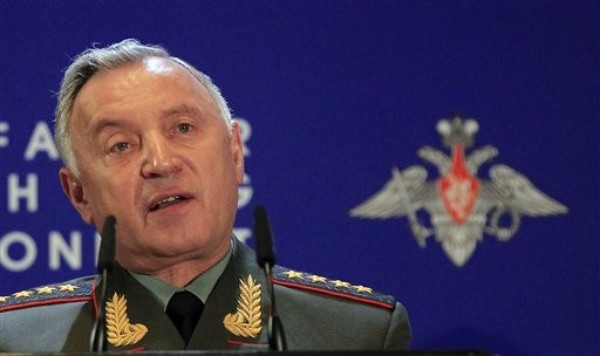
At first blush, the NATO summit to be held in Chicago this weekend has an ambitious and exhaustive agenda, which includes everything from the effects of government financial crises on defense budgets, to lessons from the successful action in Libya. You name it – exit strategies from Afghanistan, relations with Asia in a global NATO, cyber security – and it’s there. Yet one issue that is fundamental to the future of the alliance is conspicuously missing: the NATO-Russia relationship.
In late March, NATO Secretary General Anders Fogh Rasmussen announced the cancellation of the NATO-Russia Council Summit, slated to be held in conjunction with the NATO Summit. The official statement explained that the “timing is difficult...because Russia has a very busy domestic political calendar.” And just last week President Vladimir Putin canceled his trip to the G8 Summit at Camp David.
Whatever the reason, it is no secret that the relationship between Russia and NATO remains troubled. This is unfortunate. In spite of recent tensions, the historically fractured Russia-NATO relationship is the most ripe for transformation.
Read Full Article »
