


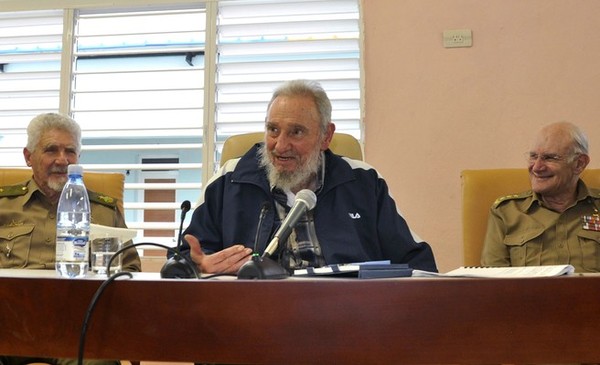
On the Friday of the last weekend in February, Cuban dictator Raul Castro caught the news agencies covering his island nation by surprise when he dropped a hint that he was thinking of retiring. Later that Sunday, at a meeting of Cuba’s communist National Assembly, Castro went much further and announced that he would step aside at the end of the five-year presidential term to which he had just been “elected.” Adding fuel to the fire was the announcement that Miguel Diaz-Canel, a relatively unknown 52-year-old communist party apparatchik, had been appointed Castro’s second in command—and would thus theoretically be next in line to take command after the aging dictator’s exit.
Read Full Article »
