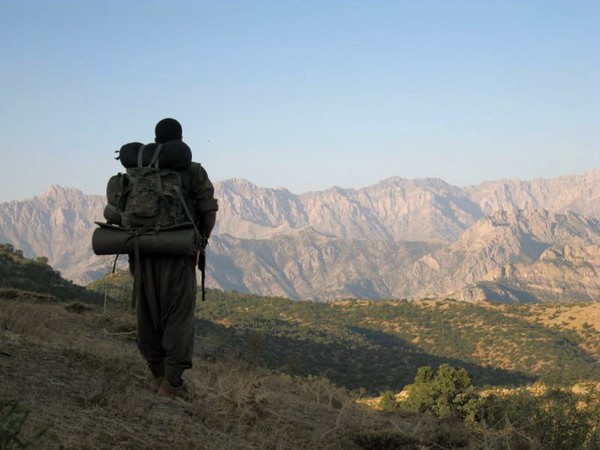
The world’s longest-running ethnic conflict took a new turn on May 8, when about 2,000 guerrillas belonging to the Kurdistan Workers’ Party (PKK) started to cross the south-eastern Turkish border into Qandil in Iraq’s autonomous Kurdistan Region. The move, which could take two months to complete, results from a ceasefire negotiated by the PKK leader Abdullah Öcalan, who has been held for alleged treason on the prison island of Imrali since 1999. The declaration was read out to a million Kurds in Diyarbakir on March 21; some 14 million Kurds, nearly 20 per cent of Turkey’s 75 million people, form the country’s largest single minority. The PKK, which Mr. Öcalan founded in November 1978, has fought an armed struggle for autonomy within Turkey since August 1984 and has survived repression including torture, executions, and collective punishment such as a ban on the Kurdish language. Over 40,000 people have died, and in the 1990s some 3,000 villages were destroyed. The ceasefire could end at any moment, but once the Kurdish fighters are across the border it will be very difficult for Turkish forces to attack them, though Turkish air-launched rockets have killed civilians there in the past decade.



Turkey's Kurdish Challenge
Read Full Article »
Comment
