


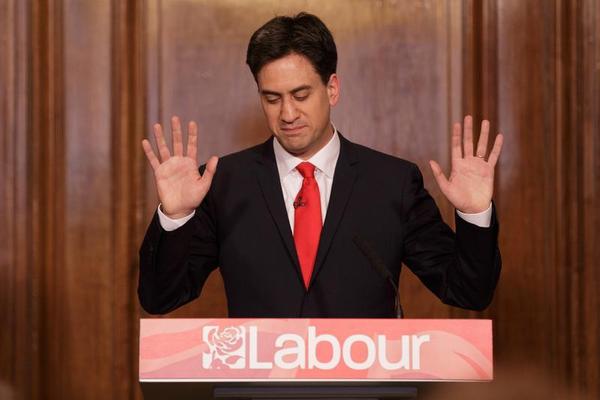
For the past five years, I have spent a lot of time visiting Labour’s old heartlands. And in the south Welsh valleys, the English north-east and the central belt of Scotland, what has hit home time and again is people’s bafflement about what the Labour party actually is. Its older supporters seem to vote for it merely out of habit; those under 30 have absolutely no idea what is meant to distinguish Labour from its adversaries. In more marginal seats, moreover, mention of the party tends to prompt little more than sighs of indifference.
Right to its roots, Labour and the supposed “movement” some dreamy people still talk about seem to be rotting away. In the days after Margaret Thatcher died, I pitched up with my film-making Guardian colleague John Domokos in Merthyr Tydfil, where we spoke to an 18-year-old woman who couldn’t find a job. Domokos whispered: “Ask her if she knows what a trade union is.” I duly did. “No, I don’t,” she said. “What’s that?” Labour has endured crises, but this kind of profound estrangement is why its post-election troubles feel existential.
Read Full Article »