


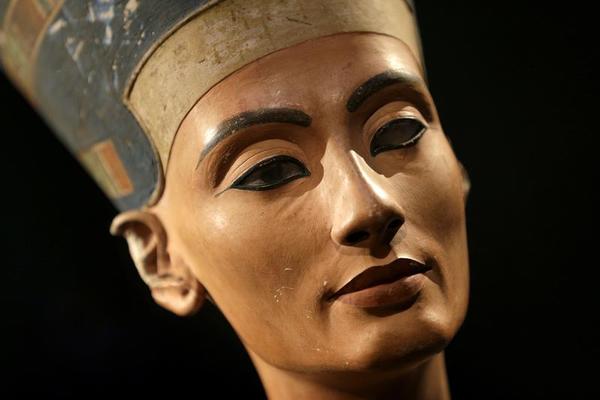
The door in the north wall, Reeves believes, leads to Nefertiti’s burial chamber, and the other to a storeroom, possibly holding treasures. He offers, in support of this theory, evidence drawn from what is known about tomb architecture, iconography, stratigraphy, and contemporary records. But he also relies—and this is the most intriguing, and most problematic part of Reeves’s theory—on ideas about dynastic politics, gender confusion, power, and what it would have meant for a woman, in Egypt, to be not just a queen but a pharaoh.
Read Full Article »
