This week marks the 100th anniversary of the Sykes-Picot Agreement, the document that shaped the modern Middle East. Known officially as the Asia Minor Agreement, it was authored by the British diplomat Mark Sykes and his French counterpart François Georges-Picot. They were charged with the task of mapping out new zones of influence in parts of the Ottoman Empire, should the Triple Entente, which at the time included czarist Russia, defeat the Ottomans in World War I.The regions under negotiation were the Syrian coast and what became Lebanon, which would go to France; central and southern Mesopotamia, which would fall under British supervision; and Palestine, which would be under international administration. The huge block of mostly desert in between would have local Arab chiefs under French supervision in the north and British in the south. The agreement was signed May 16, 1916. Now, a century later, according to a wildly diverse body of opinion, from the leader of the Islamic State Abu Bakr al-Baghdadi to Israeli defense minister Moshe Ya'alon, Sykes-Picot has finally fallen apart.



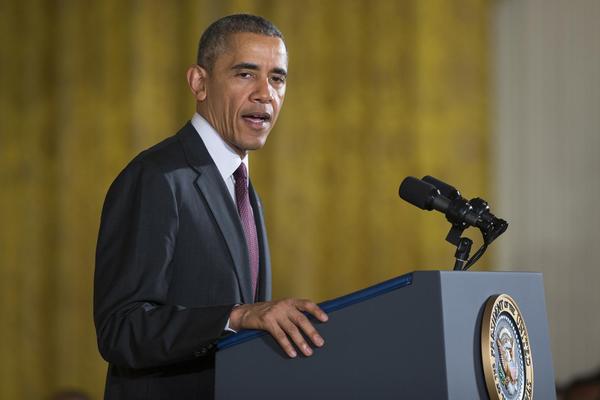
Obama's Own Sykes-Picot Misstep in the Mideast
Read Full Article »
Comment
