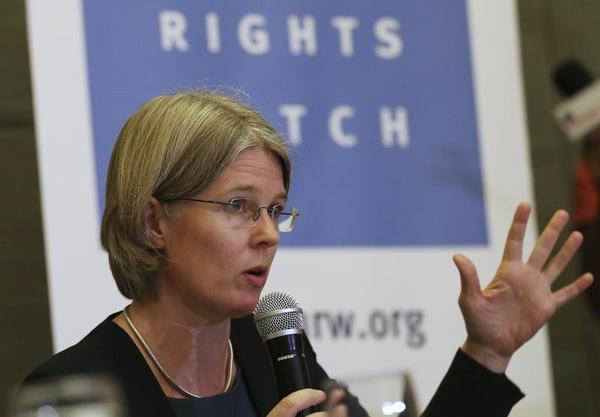
The genre of the human rights report has emerged in just the last thirty years. In the 1980s, Amnesty International's “Urgent Action” appeals offered dry factual accounts of prisoners of conscience, victims of torture, and people sentenced to execution, inviting readers to write letters to government authorities asking for clemency but articulating no judgment on the political leanings of the government and issuing no broader demands for change. Human Rights Watch (HRW) was the innovator, publishing short books describing the predicament of a whole country—telling moral stories, showing how human rights violations were symptoms of authoritarian and repressive governments, and making the case for liberal, democratic reform. While Amnesty International's staff had been trained to prune their reports to the bare minimum, HRW gave journalists and political scientists license to put their storytelling skills to use. If journalism is the first draft of history, the human rights report is the draft of the prosecutor's indictment.



Who's Watching the Human Rights Watchers?
Read Full Article »
Comment
