


By David J. Kramer
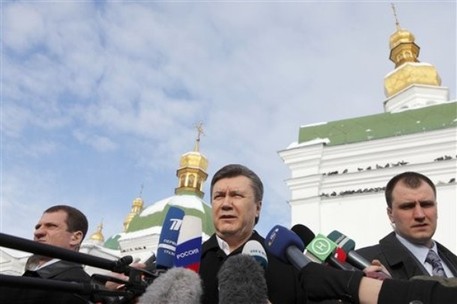
KYIV, Ukraineâ??Contrary to earlier polls, Ukraineâ??s presidential election turned out to be much closer than expected. After the run-off held on February 7, opposition leader Viktor Yanukovych claimed victory over Prime Minister Yuliya Tymoshenkoâ??at last count, he had a 3 percent leadâ??but Tymoshenko was not ready to concede. She is expected to file court challenges over claims of fraud in individual polling stations, but international observers across the board, including the delegation I led for the International Republican Institute, deemed this election generally free and fair and any problems not to have been systemic in nature.
Tymoshenko, of course, has every right to pursue her legal options, but it would be unfortunate if her efforts led to weeks of squabbling and political paralysis. Ukrainians have had enough of that over the past few years, when they grew disillusioned with those associated with the 2004 Orange Revolution. Based on the preliminary assessment of foreign observers, neither problems that may have occurred on Election Day nor a controversial change made to the electoral law three days before the election had an appreciable impact on the election itself.
Barring the unexpected, Ukraine will see Yanukovych assume the reins as president. There are some in the West who will be unhappy with the election outcome. They will see Yanukovychâ??s victory as the final nail in the Orange Revolutionâ??s coffin and will want to keep their distance from Ukraine. This would be exactly the wrong approach to take. Leaders in the West need to engage the new president and his team immediately after he assumes office. Here are some things they should do in the near term:
* Invite Yanukovych to the West. U.S. President Barack Obama will be hosting a nuclear security summit in April, and Yanukoychâ??s participation in that would be a good start. EU countries should also reach out to him out of recognition that Ukraine is a vital neighbor.
* Visit Kyiv. Western leaders should make Kyiv a key place to visit, not on the way to or from Moscow but on its own.
* Strengthen bilateral commissions on a level comparable to what Obama established with Russia last year. Dealing with Ukraine can be frustrating, but the alternative of keeping a distance is even worse, especially when Moscow will be reaching out aggressively to the new government in Kyiv.
* For the European Union, move forward on finalizing a free trade agreement with Ukraine and visa liberalization. It should stress that future membership in the European Union, while not in the offing in the near-term, is a possibility. The door to the European Union must remain open to Ukraine if it undertakes the necessary reforms over the next few years.
* Avoid pressing on membership in NATO, especially since the majority of Ukrainians do not support NATO membership at this time. Injecting this issue into the political debate in Ukraine now would be distracting and counterproductive, but NATO should keep its door open, too.
* Push for resumption of International Monetary Fund (IMF) lending if Ukraineâ??s parliament and leaders stop their inflationary and unaffordable budgetary and fiscal policies.
