


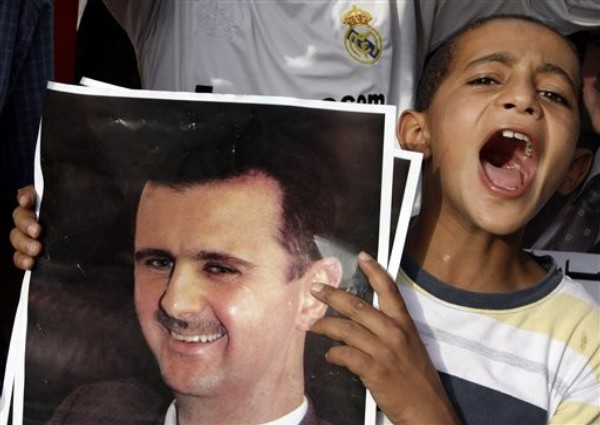
Until recently, the AKP government saw its burgeoning relations with Damascus as the model success story for its improved foreign policy—a foreign policy that sought renewed political and economic engagement in the Middle East and its periphery. This is a long way from the days when a belligerent Turkey threatened war unless Syria agreed to stop harboring the insurgent Kurdistan Workers’ Party leader, Abdullah Öcalan, in 1998.
Ten years later, Turkish-Syrian relations had blossomed. Erdogan and Syrian strongman Bashar Assad, who had assumed power after his father’s demise in 2000, had developed a strong and close personal relationship. Erdogan appeared to take the young Bashar under his wing, and Turkey provided critical support to the embattled Assad regime when it came under pressure to remove its troops from Lebanon after the 2005 assassination of Lebanese Prime Minister Rafik Hariri and even at the outset of the recent uprising in Syria.
Read Full Article »