


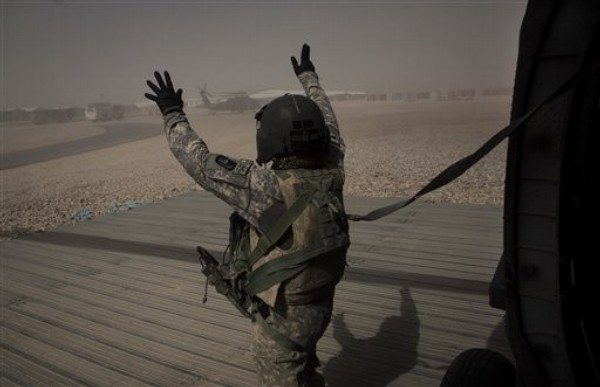
July will mark two milestones in America’s sometimes-tortured relations with Asia. One is the beginning of the end of the nearly decade-long struggle in Afghanistan – the longest war in United States history – as President Barack Obama announces the first troop withdrawals. The other is the 40th anniversary of Henry Kissinger’s secret mission to Beijing, a turning point in the Cold War and the first step on China’s road to modernization – but at the time a huge shock to Asia, particularly Japan.
The looming Afghan withdrawal recalls, at least for some Asians, a third, even more traumatic event: America’s chaotic exit from Saigon in April 1975. Back then, that debacle seemed to presage a broader US withdrawal from Asia, with a war-weary American public seeking the supposed comforts of isolationism. Today’s Asian nervousness exists not only because isolationism appears to be gaining ground once more in America, but also because Afghanistan’s stability remains in doubt, while China’s power is rising in the absence of any pan-Asian consensus or institutional structure.
Read Full Article »