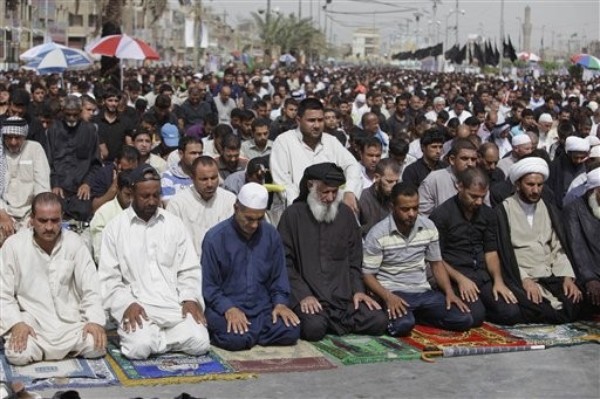
Clinton's comments were greeted with a sarcastic smile by Iran's President Mahmoud Ahmadinejad -- and not without reason. He assured CNN that Tehran's relations with Baghdad would not change as a result of the U.S. withdrawal, precisely because Iran has "a very good relationship" with Iran's government and parliament. Indeed, Iran has far more influence in Baghdad's decision-making than the U.S. does -- and it built and maintained that influence despite the presence of 170,000 U.S. troops at the peak of the mission. While Tehran has funded and armed Shi'ite militias that have fought the U.S. and waged sectarian war on Sunni communities, Tehran's primary influence remains its relationships with a variety of Shi'ite (and also Kurdish) politicians of Iraq's elected government. By using that influence to help bring an end to the U.S. troop presence on its Western flank, Iran is closing out a decade of remarkable strategic advances -- made with considerable, if inadvertent, help from Washington.



Iraq Invasion, Not Withdrawal, Was Gift to Iran
Read Full Article »
Comment
