


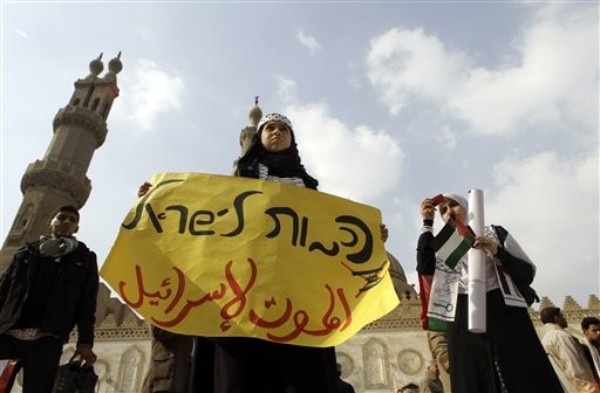
Now that former Egyptian President Hosni Mubarak is standing trial and the ruling military junta has promised free and fair presidential elections after an interim phase, the long-repressed Muslim Brotherhood thinks its moment may have arrived. It has been the most popular and best-organized opposition group in Egypt for decades, so it seems to follow that it should win more votes than anyone else even if it doesn’t win an outright majority.
Yet the Brothers didn’t make “the revolution”, as people both inside Egypt and beyond like to call what happened in Cairo this past winter. No one movement did. And now that the Islamists are no longer locked in a dialectical struggle with a one-man regime (Mubarak’s National Democratic Party no longer even exists), they are beginning to crack into factions. The political geometry of that cracking process is very interesting, possibly quite consequential, and altogether surprising to most non-native observers.
Read Full Article »