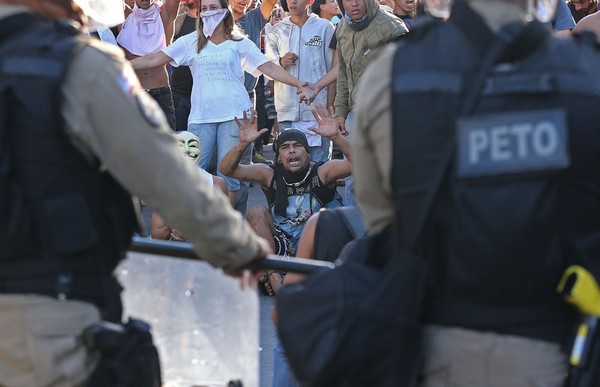
More than a million Brazilians have taken to the streets this past week in the largest mass demonstrations since the impeachment of President Fernando Collor de Mello in 1992. It began as a modest protest movement in Sao Paulo against a seemingly routine 20 cent bus fare increase, but has quickly transformed into a broader and more diffuse protest against a range of grievances: political corruption; the dismal performance of public services such as transportation, health and education; and even excessive spending in preparation for the World Cup. The mostly peaceful protests have spread to dozens of cities across the country while capturing the world’s attention. Explanations for this outburst of angst are varied. Some analysts point to Brazil’s economic woes and suggest that two and a half years of low growth, and signs that the consumption-led credit boom is coming to an end, are finally catching up politically, prompting popular discontent. Others see the protests as a manifestation of the government’s inability to meet basic needs, and potentially, as an indication that governance challenges are on the rise in Brazil in a more meaningful way.



Brazil's Protests Not Just About the Economy
Read Full Article »
Comment
