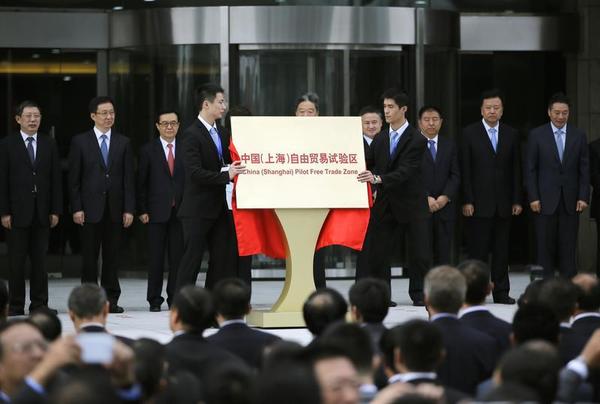
Shanghai’s new free trade zone is reform. It is a testing ground for RMB convertibility, market interest rates, foreign investment and perhaps internet openness. Granted it only encompasses 28 square kilometers and may boost economic expansion by 0.1 percentage points, it is still the country’s “new trial for opening,” in the words of Premier Li Keqiang. Yet pundits still bemoan China as a “broken machine,” ineffective at meaningful change within a system of vested interests and bureaucratic cadres. Liberalization moves with excessive caution only when confronted with social unrest and economic stagnation. China, according to most, is behind the curve. But slow compared to what?



Are Chinese Reforms Really a Myth?
Comment
