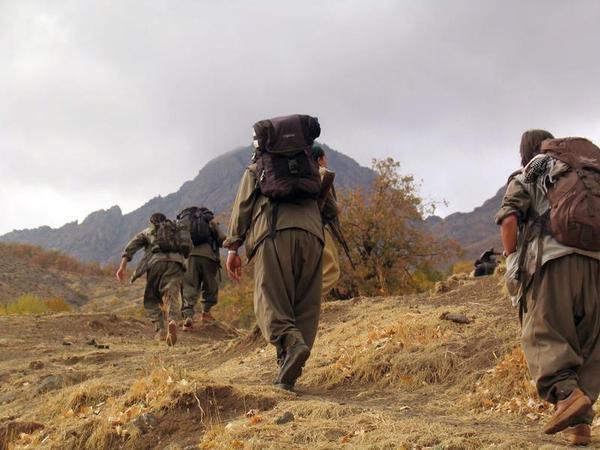
Since the PKK insurgency began in 1984, the Kurdish conflict has represented the biggest impediment to Turkey’s democratic development. Having claimed the lives of some 40,000 people, including soldiers, militants and civilians, the fighting has stymied economic growth, jeopardized Turkey’s ambitions to join the EU, and regularly poisoned relations with neighboring countries. Over the course of the war, some things have changed. The rebels no longer demand a separate Kurdish state but rather partial autonomy and new cultural freedoms. The Turkish government, which once went so far as to deny that the Kurds even existed, has become much more open to their demands, particularly during the reign of Erdogan’s Justice and Development Party (AKP), which has held power since 2002.



Turkey's Imperfect Peace
Read Full Article »
Comment
