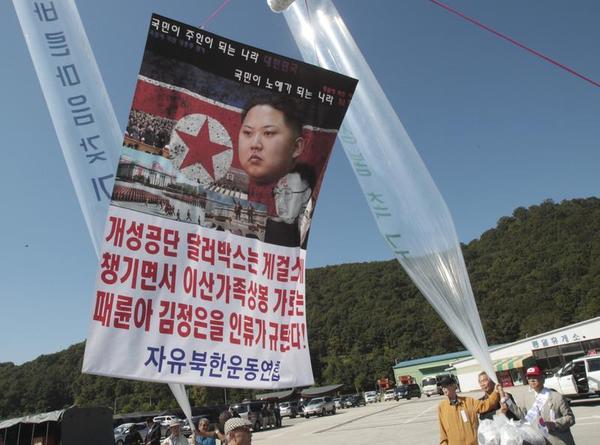
UNDERNEATH THE “TOWER of the Korean War”, a monument in Seoul resembling a bronze sword, is a bunker managed by the Ministry of Public Administration and Security. Inside, visitors learn how to protect themselves from a North Korean attack, chemical (seal the windows), biological (cover your mouth and nostrils) or nuclear (find a bunker). A squad of cadets, in the middle of their 21 months of mandatory military service, troop inside, don 3D glasses and watch a stirring televised account of the bombardment of Yeonpyeong island in November 2010 by North Korean artillery, which killed two soldiers and two civilians in the first shelling of South Korean territory since the end of the Korean war. The North Koreans, some analysts assumed, were trying to bolster their new general, Kim Jong Un, in preparation for his succession to the throne of the Kim dynasty.



Kim Jong-un: Bad or Mad?
Read Full Article »
Comment
