


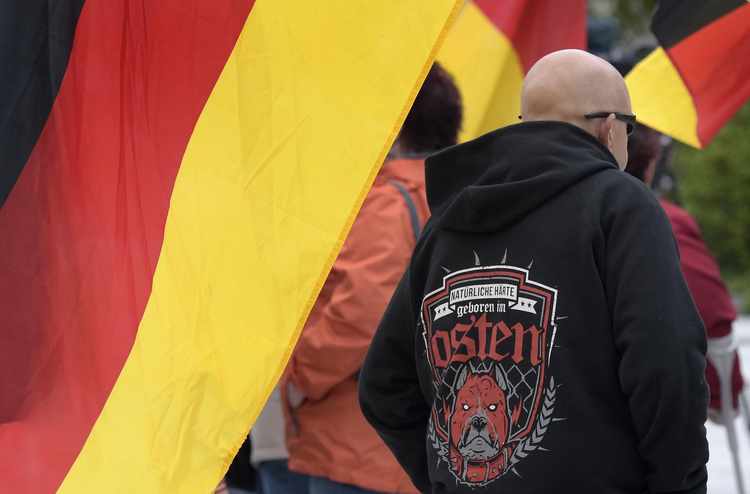
In the 1990s, many in Western European countries believed that the post-socialist nations to their East were merely “younger” versions of theirs. Their free markets were going through adolescent rebellion and democratic institutions were present but not fully formed. Yet, with uncertainty came an exciting sense of possibility. According to this vision, Central and Eastern Europe would follow the economic liberalization and globalization that North America and Western Europe went through after World War II.
Read Full Article »
