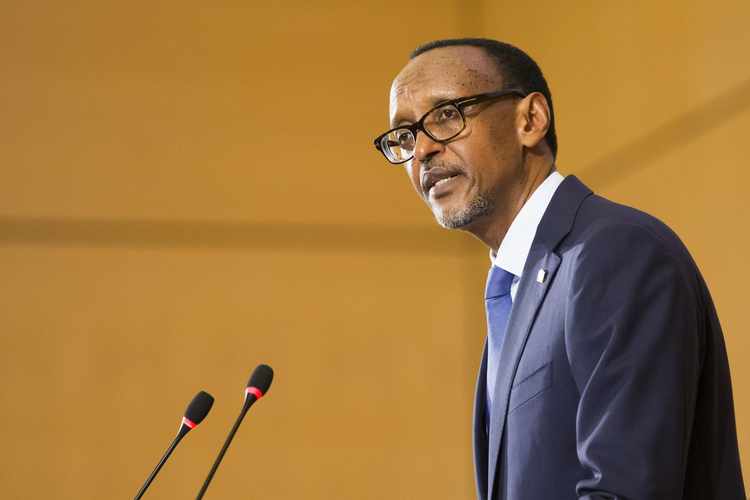
The UN's definition of genocide is not restricted to attempts to eradicate a particular ethnic group. It includes “killings...with the intent to destroy, in whole, or in part, a national, ethnical, racial or religious group” (my emphasis). Part One of this article explored the evidence presented in Judi Rever's In Praise of Blood that before, during, and after the 1994 Rwandan genocide, Paul Kagame's Rwandan Patriotic Front (RPF) killed tens, perhaps hundreds of thousands of innocent Hutus. The claim that these killings constituted a “parallel genocide” has long been dismissed by many academics and journalists, including myself, as overstatement, and even as Hutu propaganda. But Rever makes a plausible case for it. Even if these massacres didn't constitute genocide, it's worth asking why the fiction has persisted that Kagame's RPF rescued Rwanda from further genocide when much evidence suggests that it actually helped provoke it by needlessly invading the country in 1990, massacring Hutus, probably shooting down the plane of President Juvénal Habyarimana in 1994, and failing to move swiftly to stop the genocide of the Tutsis.



Rwanda: A Deathly Hush
Read Full Article »
Comment
Show comments
Hide Comments
Related Articles
