


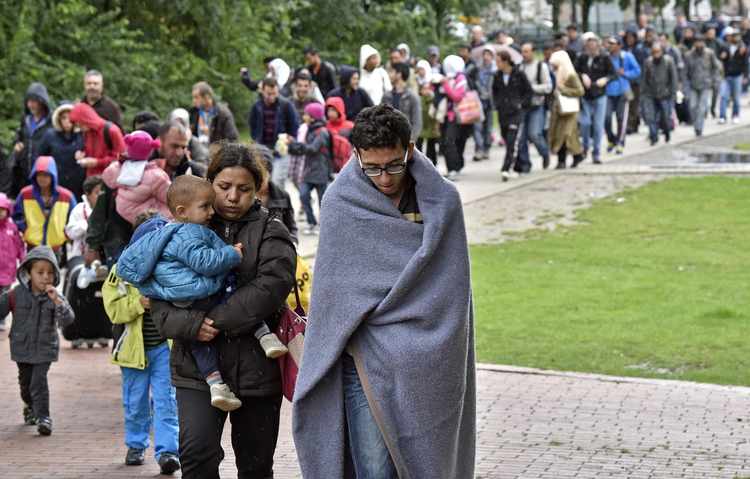
Three summers after Europe's biggest migration influx since World War II, the old wounds are reopening.
Lingering political tensions over the unresolved question of how to control immigration from outside Europe have now broken out into the open, and the fallout is reshaping alliances and stoking old rivalries from Rome to Berlin, Paris and Vienna.
The issue has returned most visibly in Italy, where Matteo Salvini, leader of the anti-immigrant League, lost no time in falling out with some close European allies over his decision to deny access to port for a refugee vessel. But it's also forced uncomfortable decisions in Spain and is threatening Chancellor Angela Merkel, who faces renewed domestic turbulence over her open-door stance on migrants that could yet spell her early departure.
The influx of refugees in 2015-2016 frayed social cohesion and threatened to topple governments. The paradox is that the number of arrivals has fallen dramatically since. But opposing political positions are straining European Union ties just as the bloc is desperate to demonstrate unity in the face of other external challenges, from Brexit to President Donald Trump's protectionist trade policies and the rise of China.
