


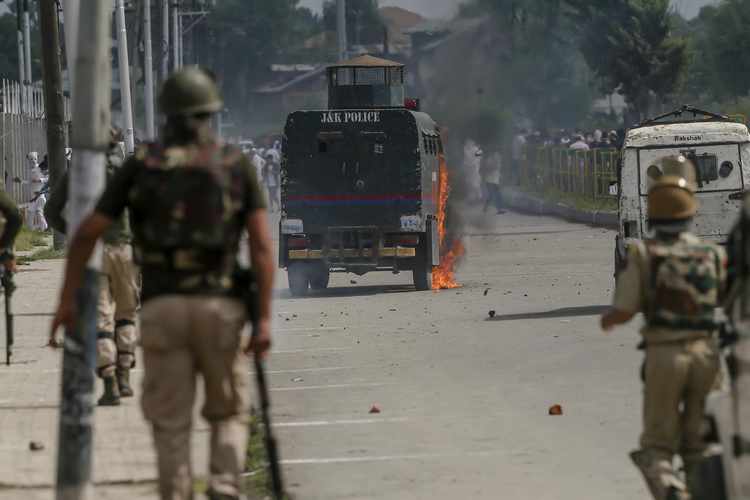
India's summary rejection of the UN human rights report on Kashmir has predictably found allies in the opposition parties, chiefly the Congress.
This is partly because the Congress party is crammed with nationalists who are difficult to differentiate from the ruling Bharatiya Janata Party. Also the subject of discussing military in a critical light is treated like a hot potato. With the general elections looming less than a year away any acceptance of criticism of state institutions is deemed risky.
According to the UN report, the Indian government steadfastly refused to allow UN rights observers into Jammu and Kashmir. When they approached Pakistan to visit Azad Kashmir to monitor their side of rights abuses, they were told it was fine provided they first got permission from the Indians to visit the part of Kashmir held by them.
There was one occasion people remember when the late Asma Jahangir was permitted to visit the strife-torn region to monitor the situation there.
As a general rule foreign observers are barred from visiting the area to monitor abuses.
I asked the spokesperson of the Concerned Citizens Group, a motley group of former ministers, officers and officials who have been reporting from Kashmir what their reaction to the UN report was. They said they were still studying it. There's very little to study. There are facts one can question or feel embarrassed or angry about.
The rejection of the report in order to pander to some lingering or robust nationalist sentiments underscores the need for politicians like Bernie Sanders and Jeremy Corbyn to emerge from the ranks of Indian and Pakistani leadership so as to cast a self-critical look at the state of affairs in their respective regions.
The Congress and the left offer that possibility in India but they seem to be too wrapped in real or imagined history to divine the difference between truth and charade.
Simply put, the UN report starts with an overview of the effect of the killing of 22-year-old Burhan Wani in July 2016. The report described him as a leader of Hizbul Mujahideen, an armed group. What is there to contest in it?
Read Full Article »