


In January 2006, Hamas won the Palestinian Parliamentary Legislative Council elections. The US and Israel adopted an economic theory of change: apply economic pressure to push positive political outcomes. The goal was to marginalize Hamas, drive a wedge between rulers and the ruled, and encourage a new moderate power structure in Gaza to build a foundation for peace. I know, because I was there in Tel Aviv at the US Embassy implementing US policy in Gaza. What could go wrong?
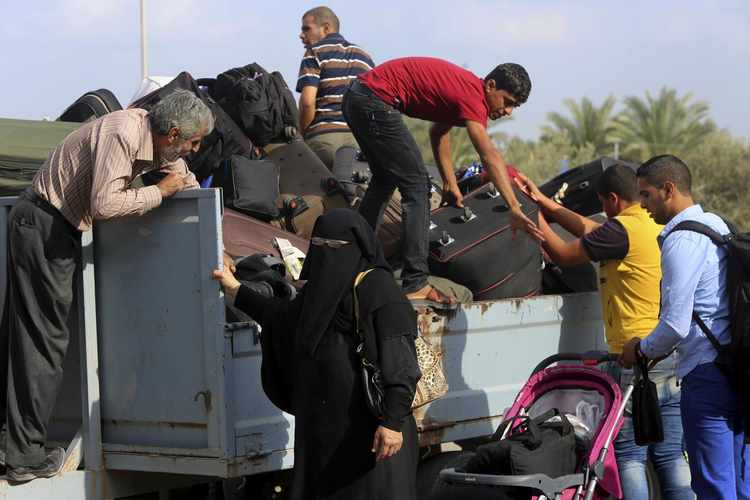
Nearly 13 years later the results are clear. The theory was flawed and the impact has been catastrophic for both Palestinians and Israelis. The political environment in Gaza is now more extreme, disconnected, and dangerous than in 2005. In the Gaza political spectrum, Hamas is ironically the centrist power challenged on the fringe by Salafists, ISIS and Islamic Jihad. The power base of the historic Gazan business community, educated professional class, and vibrant civil society has collapsed. Everything that could go wrong, did — as evidenced by three wars, the highest youth unemployment rate in the world, and an environmental disaster on this small strip of land. The future is bleak too, Generation Z is lost, having spent the last decade indoctrinated and hermetically sealed from Israel, the world, and hope.
Enter Jared Kushner and Jason Greenblatt with their stalled pitch for renewed negotiations to end the seven decades conflict. As expected, there was nothing other than effective silence. The political leadership on both sides of the Green Line have written off the viability of a two state solution any time soon. In fact, the post-Oslo era almost seems quaint, a pre-internet idea in a world of smart phones and social media. Instead the Trump Administration should unleash the bottled up, inherently resilient private sector economy. Envision Gaza 2.0, where economic opportunity, connectivity and trade may begin to create better, more realistic prospects for stability.
Read Full Article »