




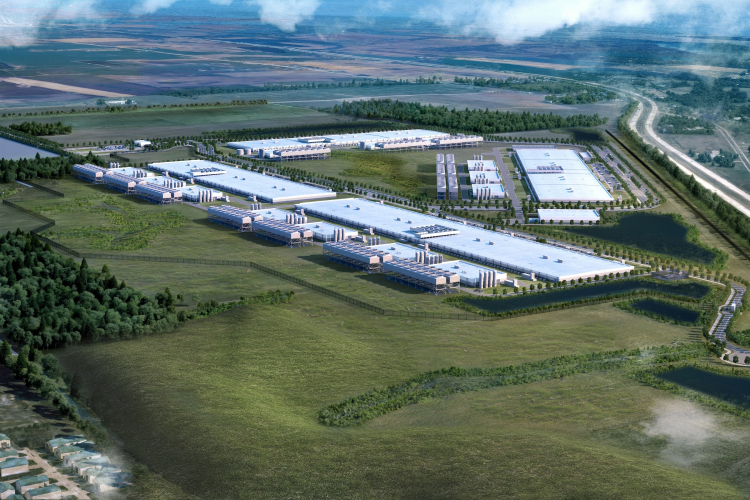
Following the 47th Association of Southeast Asian Nations’ (ASEAN) Summit in Kuala Lumpur, Southeast Asia–along with several international nations–reaffirmed its commitment towards a sustainable future. In a declaration made on Oct 28, 2025, ASEAN announced its aims to improve its efforts to “reduce, mitigate and address the degradation of the natural environment, and continue to share good practices in fulfilling the right to a safe, clean, healthy and sustainable environment.” Malaysian Prime Minister Anwar Ibrahim’s goals towards a more sustainable future resonated with world leaders, alongside ASEAN’s efforts towards developing its technological advancements throughout the region, including artificial intelligence (AI) and data center storage. However, ASEAN’s burgeoning digital infrastructure industry runs the risk of hindering its environmental aims in the wake of international demand. In advancing the growth of domestic data centers, ASEAN member-states must not sacrifice their environmental goals at the expense of rapid industrial innovation.
The global AI industry in Southeast Asia has faced unprecedented growth this past year alone, with AI-related investment expected to surpass US$110 billion by 2028. In Malaysia alone, investment into data centers is projected to rise 185% by the end of 2025, with over 30,000 jobs being created by 2030. As a result of increased international demand from major powers, a growing population, and a rising role as a manufacturing hub, Southeast Asia is primed to become the next major outsourcing hub for scalable, high-performance data infrastructure for major investors. For member-states, this means short-term increased job growth and development towards financial technology (fintech) industries, while supporting both Chinese and American demands for data storage and AI energy reserves.
ASEAN simultaneously works diligently to improve its sustainability standards in the wake of increased international investment. Though ASEAN has no means to enforce these standards, its environmental framework has gained international backing and encourages meaningful dialogue across the region. ASEAN has long recognized the negative effects of climate change and its disproportional impact across Southeast Asia, making formal declarations to mitigate the degradation of the region’s natural environment while improving interconnectivity between member states to achieve these efforts. This includes broader environmental, social and governance (ESG) regulations in ASEAN, and adopting International Sustainability Standard Board (ISSB) standards. In October, ASEAN member-states reaffirmed their commitments to promote policy and encourage their respective industries to maintain sustainable practices to address potential environmental impacts of their actions.
Several individual governments in Southeast Asia have already placed a larger emphasis on sustainability and environmentalism in the context of broader industry growth. “There is growing concern across [Southeast] Asia about interconnectivity and sustainability,” according to Dr. Tan See Seng from the S. Rajaratnam School of International Studies. “As is the case with ASEAN, the organization furnishes regional frameworks for ensuring best practices, but compliance is ultimately left in the hands of each member country.”
ASEAN states have shown substantial progress in their sustainability frameworks. In 2024, Malaysia announced in its National Sustainability Reporting Framework the government’s push its sustainable disclosure standards to meet the increasing “demand for consistent…sustainability information.” This aims to support Malaysia’s goals to become a net zero gas emission nation by 2050, while strengthening the country’s investment attractiveness. In Jakarta, the Institute of Indonesia Chartered Accountants launched the Indonesia Sustainability Disclosure Standards last August to improve sustainability standards. Other ASEAN states, including Singapore, have worked closely together to adopt more sustainable industry standards.
Amid ASEAN’s notable environmental pragmatism, member-states must be cautious when working with international partners with fewer sustainability concerns and cybersecurity. While Washington seeks to strengthen its AI own dominance in the international stage, Beijing has sought to promote open models to promote regional appeal. US data centers produce staggering amounts of carbon emissions, whereas China’s growing digital diplomacy across the region raises concerns over the PRC’s influence in digital governance norms in countries like Malaysia, Thailand, and Cambodia. Given criticism for both Chinese and US environmental and security concerns, along with the importance of digital infrastructure to their mutual objectives–chip manufacturing, artificial intelligence dominance, autonomous military systems–the geopolitical benefits far outweigh the environmental risks of data center development. Southeast Asia must stay firm in its commitments towards environmental sustainability in the wake of international pressure amid increased demand for digital infrastructure.
Southeast Asian states’ sustainability standards and environmental policies could conflict with its broader economic goals. ASEAN’s sustainability agenda will largely be tested from the growing international demand of digital infrastructure for artificial intelligence (AI) and data centers. While ASEAN highlights the importance of cooperation in response to emerging challenges to new technologies, it also seeks to secure more foreign direct investment (FDI) to advance new technologies and create a more competitive digital economy. Yet as more data comes out showcasing the negative effects data centers have towards local communities’ wellbeing, cost of living standards, and environmental security, ASEAN must also be mindful when seeking to rapidly develop their own digital infrastructure.
Luke C Hahn is an independent international relations researcher based in Washington, DC. His research focuses on East and Southeast Asian multilateralism and coalition building.
