




The nature of national security has always evolved with technology, but the pace and scope of change today are unprecedented. A dramatic surge in technological innovation is reshaping how conflicts are fought and how nations defend themselves. For the United States, these advances are a matter of military strength and a cornerstone of national security strategy.
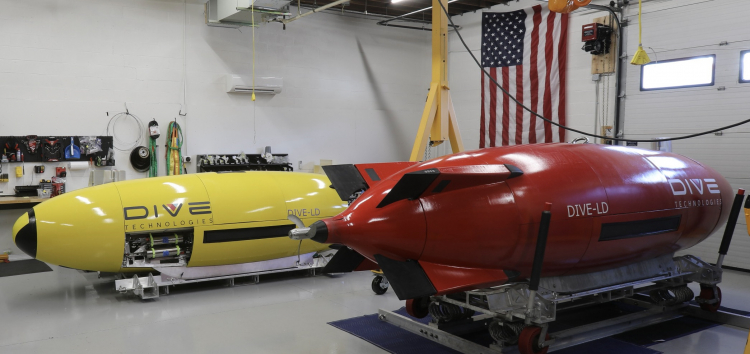
National security efforts increasingly rely on systems that reduce risk to human life while amplifying precision and effectiveness. Drones and other remotely operated weapons have become emblematic of this shift. These tools allow commanders to strike targets with remarkable accuracy from thousands of miles away. The result is that fewer American service members are exposed to direct danger. Deployments to volatile regions are no longer the default response to every crisis. Instead, technology enables a lighter footprint while maintaining overwhelming capability.
This transformation is not limited to the skies. Autonomous ground vehicles, advanced surveillance platforms, and artificial intelligence-driven decision systems are now integral to military operations. They provide real-time intelligence, streamline logistics, and enhance battlefield awareness. These innovations give the United States continued superiority in national security matters, reinforcing its position as the dominant force in global security.
Yet the battlefield is only one front. Increasingly, national security hinges on the digital domain. Cyber warfare has emerged as a vital arena of confrontation where attacks can cripple economies, disrupt communications, and undermine trust in institutions. Here too, the United States leads. Government agencies and private-sector partners invest heavily in defending networks against intrusions and neutralizing threats before they escalate. The sophistication of these efforts reflects an understanding that future wars might be fought as much with code as with conventional weapons.
One often overlooked aspect of this digital struggle is the infrastructure that underpins global connectivity. Undersea cables carry most international internet traffic, making them vital arteries of commerce and communication. Their protection is paramount. Securing these cables, along with other undersea installations, has become a strategic priority. Any disruption could have cascading effects on financial systems, military coordination, and civilian life. The ability to safeguard these assets demonstrates how national security now extends far beyond borders and battlefields.
This is where our relationships with our allies, particularly NATO members, are crucial. For example, Portugal is the landing point for a number of significant undersea cables – including Equiano, Nevum, and 2Africa – that carry information and much needed internet support to countries from the U.S. to Portugal to Africa.
Portugal has domain over one of the largest Atlantic Exclusive Economic Zones (EEZ) spanning over 1.7 million square kilometers stretching from the Azores to Madeira to the mainland. The protection of these cables from malign actors is critical to ensure data protection, flow of services and information, and counter surveillance activities. Protection from Russian submarines and Chinese vessels operating under the guise of fishing boats (IUU vessels) is a shared responsibility with our allies to protect not only the flow of data but the reliable and consistent performance of companies in this space, many of which are American.
Critics sometimes argue that reliance on technology introduces new vulnerabilities. They are right to raise concerns about hacking, system failures, or the ethical implications of autonomous weapons. These challenges demand vigilance and oversight. But the benefits of technological progress in defense are undeniable. It saves lives, deters aggression, and strengthens resilience against emerging threats.
The United States faces a world in which adversaries are racing to develop advanced capabilities. Staying ahead is not optional. It is essential for preserving stability and protecting democratic values. Investment in research, collaboration with allies, and a commitment to innovation will define the security landscape for decades to come.
Technology does not eliminate the human dimension of conflict, but it changes the calculus. It allows nations to project power without mass mobilization, to defend critical systems without deploying armies, and to respond to crises with precision rather than brute force. For the United States, this is more than a tactical advantage. It is a strategic imperative that shapes how the country engages with an increasingly complex and contested world.
Randi Charno Levine is a former U.S. Ambassador to Portugal and a distinguished fellow in the Transatlantic Security Initiative within the Atlantic Council's Scowcroft Center for Strategy and Security.
